
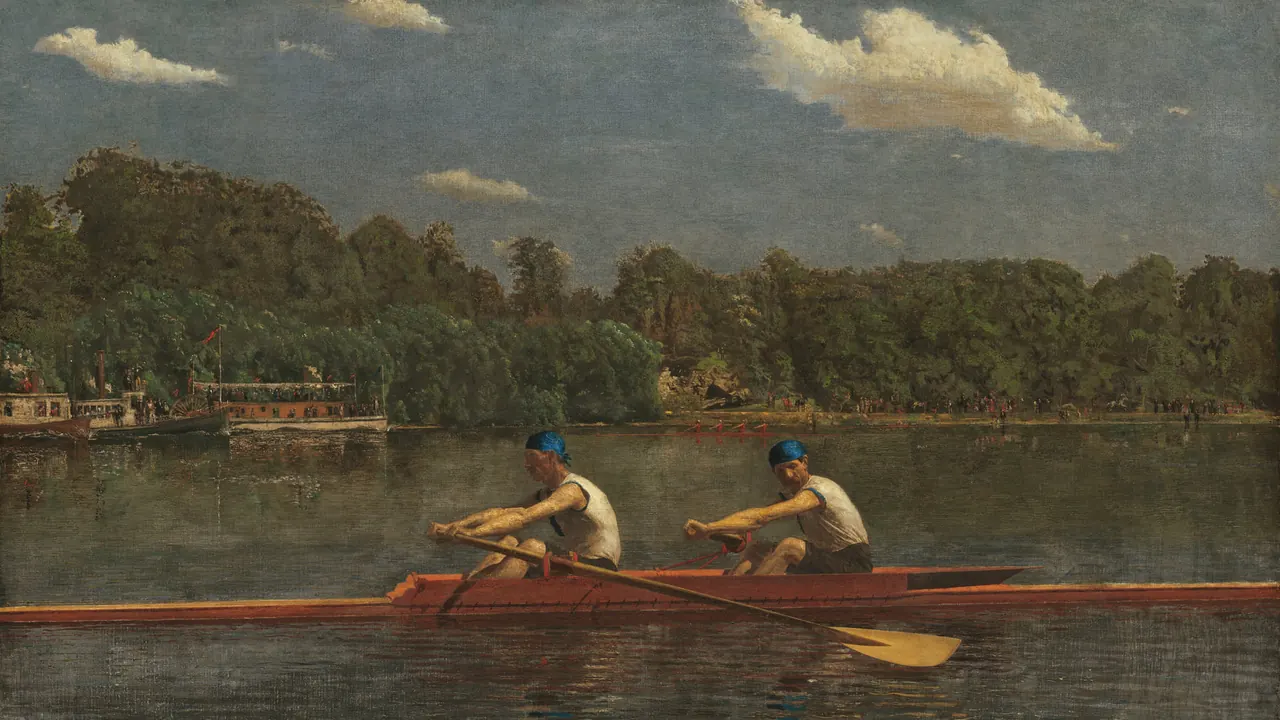
Featured
The pictures each museum puts at the front of its own collection: chosen by its curators, not by an algorithm, and drawn from every movement here.
The collection
20 rooms, from the Renaissance to the far side of the Moon. Every picture in them is in the public domain, checked by hand, and cut to fill a television.
The pictures each museum puts at the front of its own collection: chosen by its curators, not by an algorithm, and drawn from every movement here.
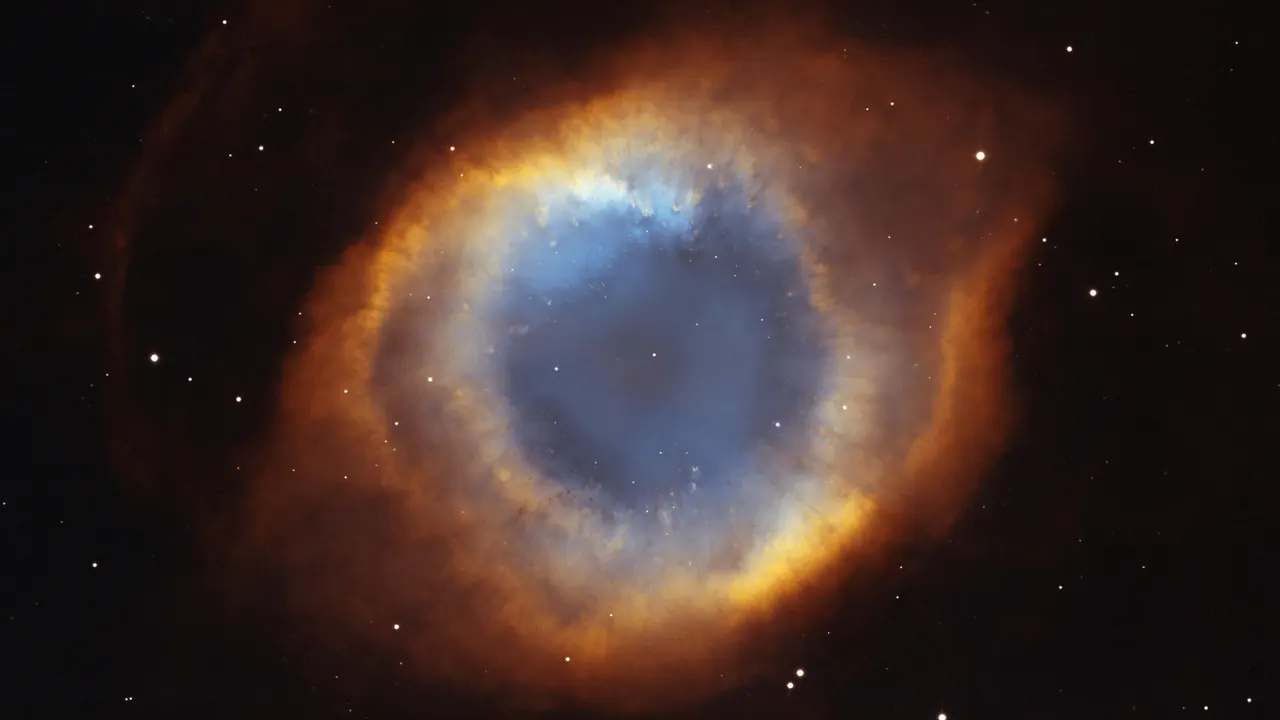
Nebulae, planets, and the far side of the Moon, photographed by the telescopes, probes and crews that went to look.
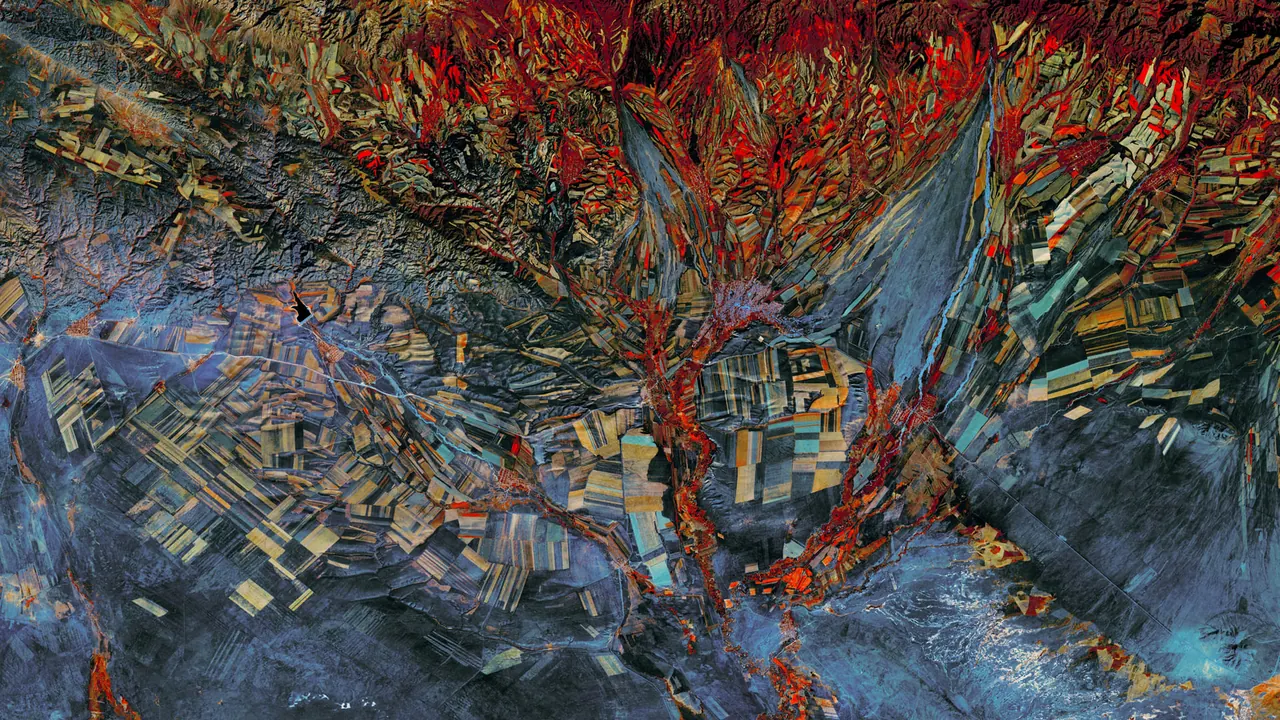
Fifty years of NASA Landsat pictures of rivers, deserts and ice, picked for their beauty rather than their science.
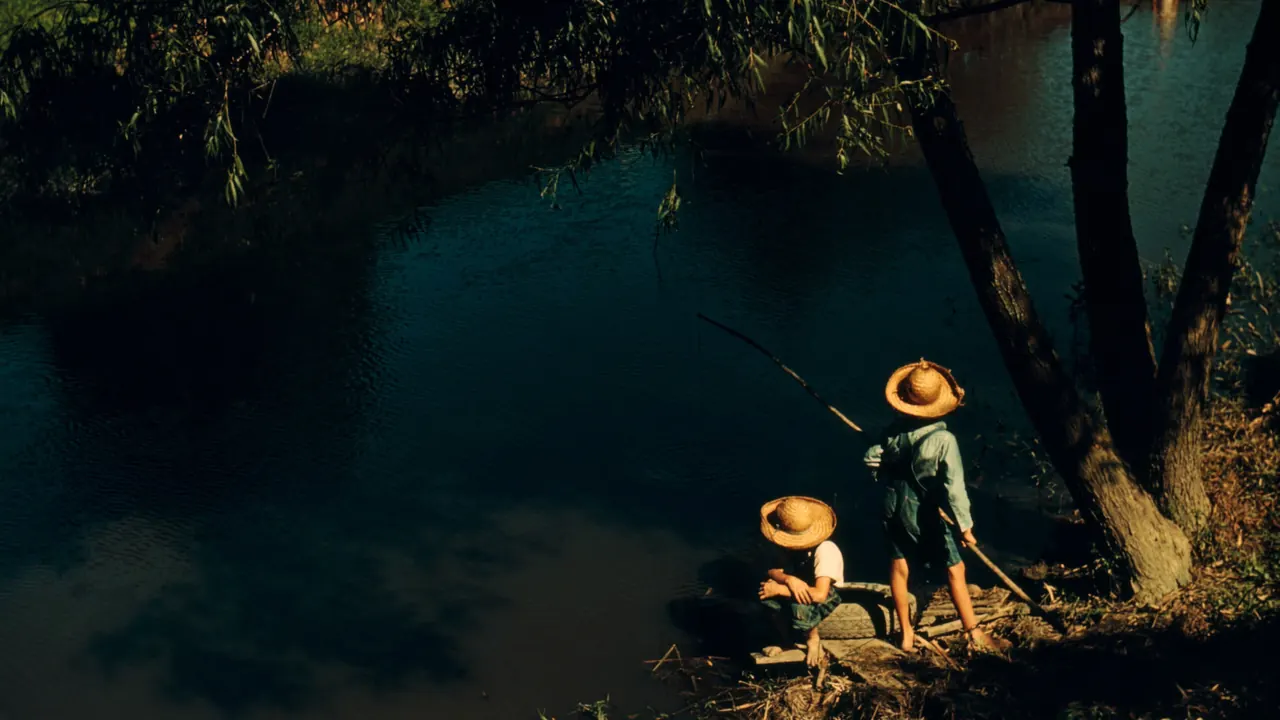
Colour before colour film was ordinary: Photochrom prints of the 1890s and Kodachromes of wartime America.
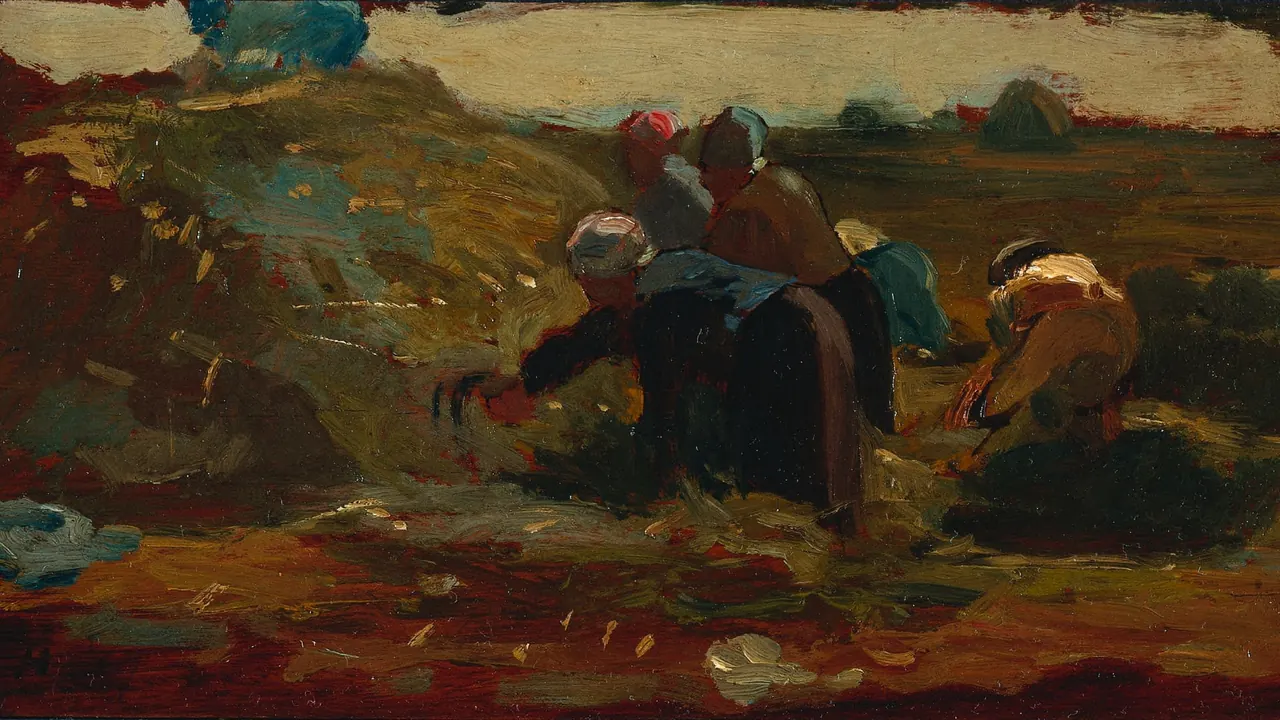
Portraits, prairies, and prizefights: a young country working out what its own pictures should look like.
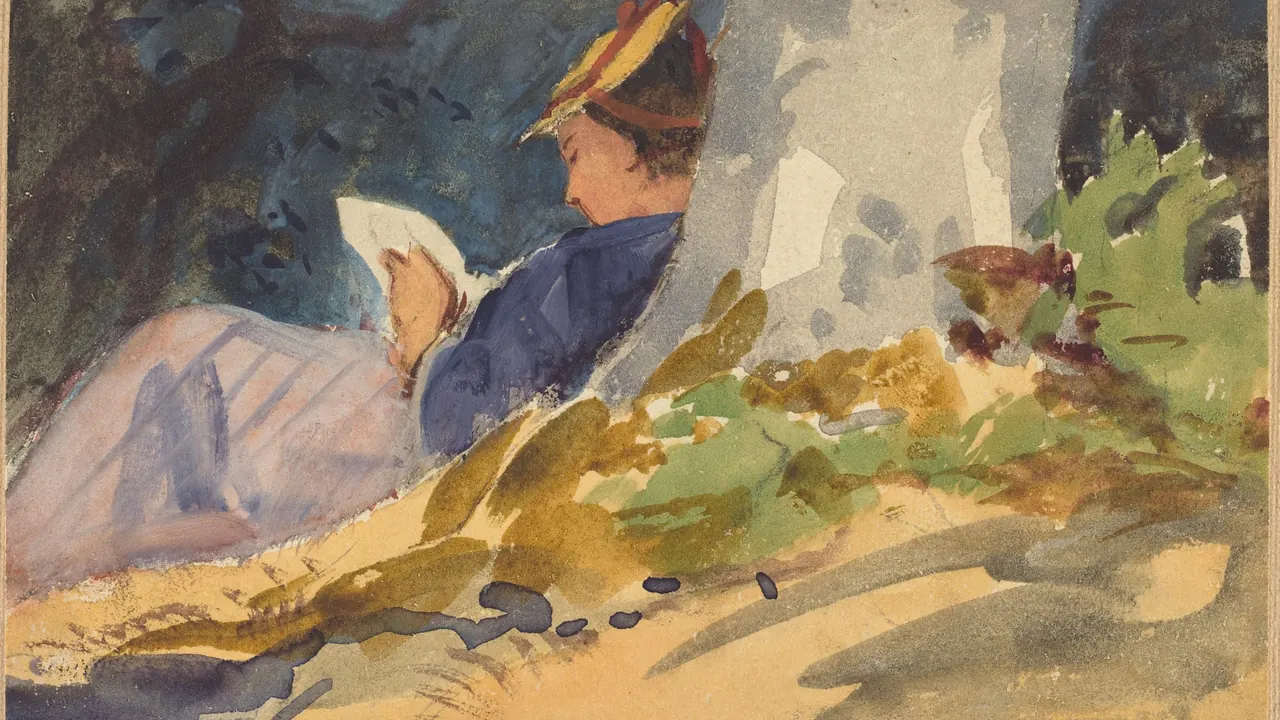
Broken colour, visible brushwork, and a fixation on light at one particular moment of one particular day.
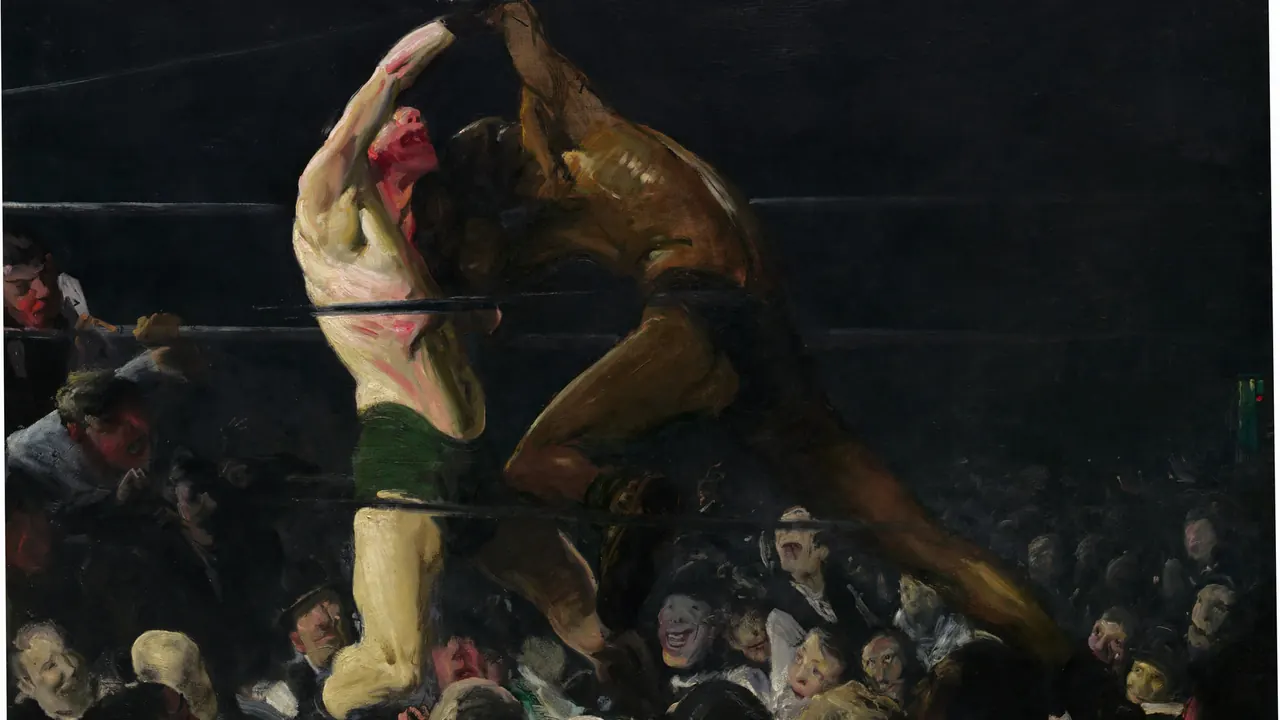
Labourers, gleaners, and unglamorous rooms, painted at the scale previously reserved for gods and generals.
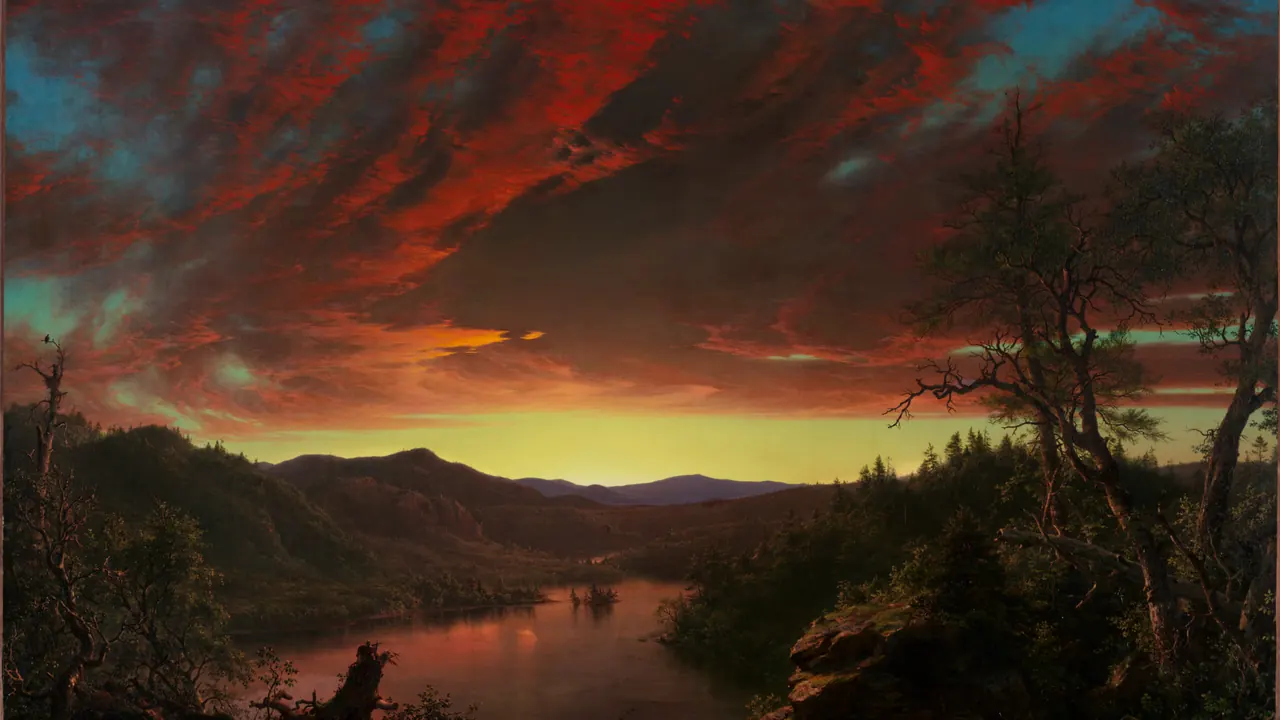
American wilderness painted as scripture: luminous valleys, enormous skies, and weather doing the talking.
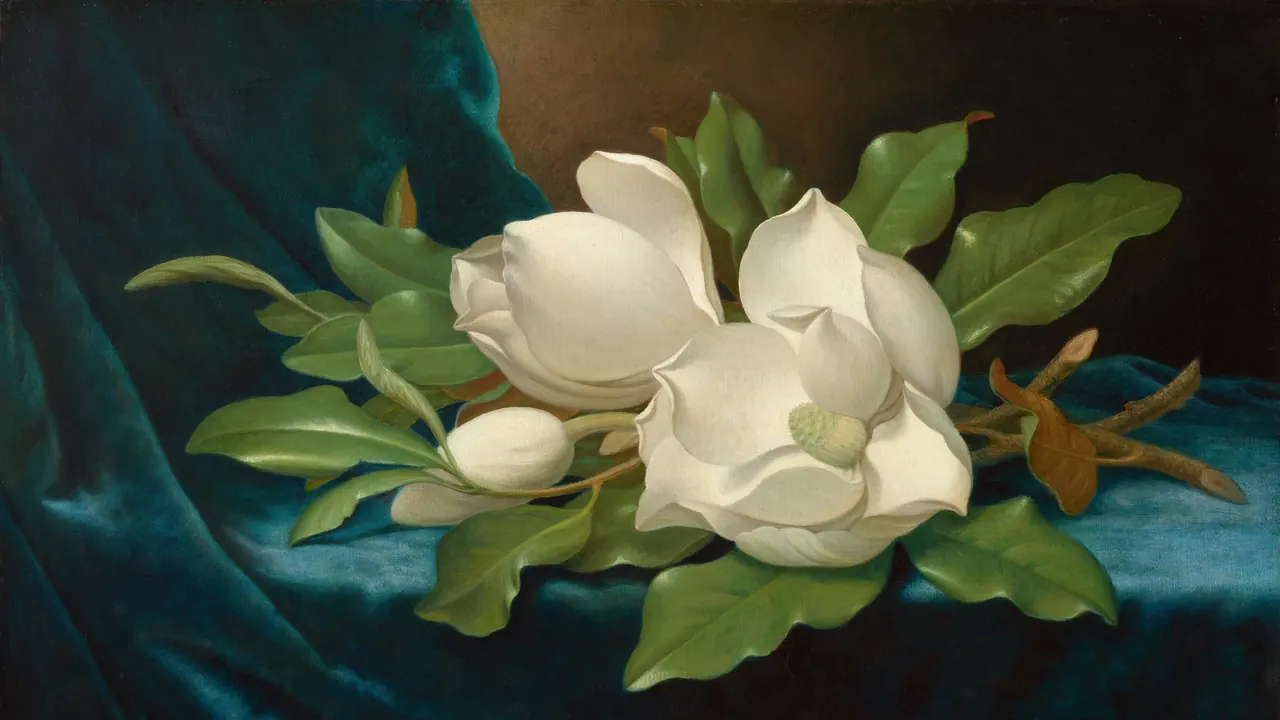
Feeling over rule. Storms, ruins, and landscapes scaled to make the viewer feel small.
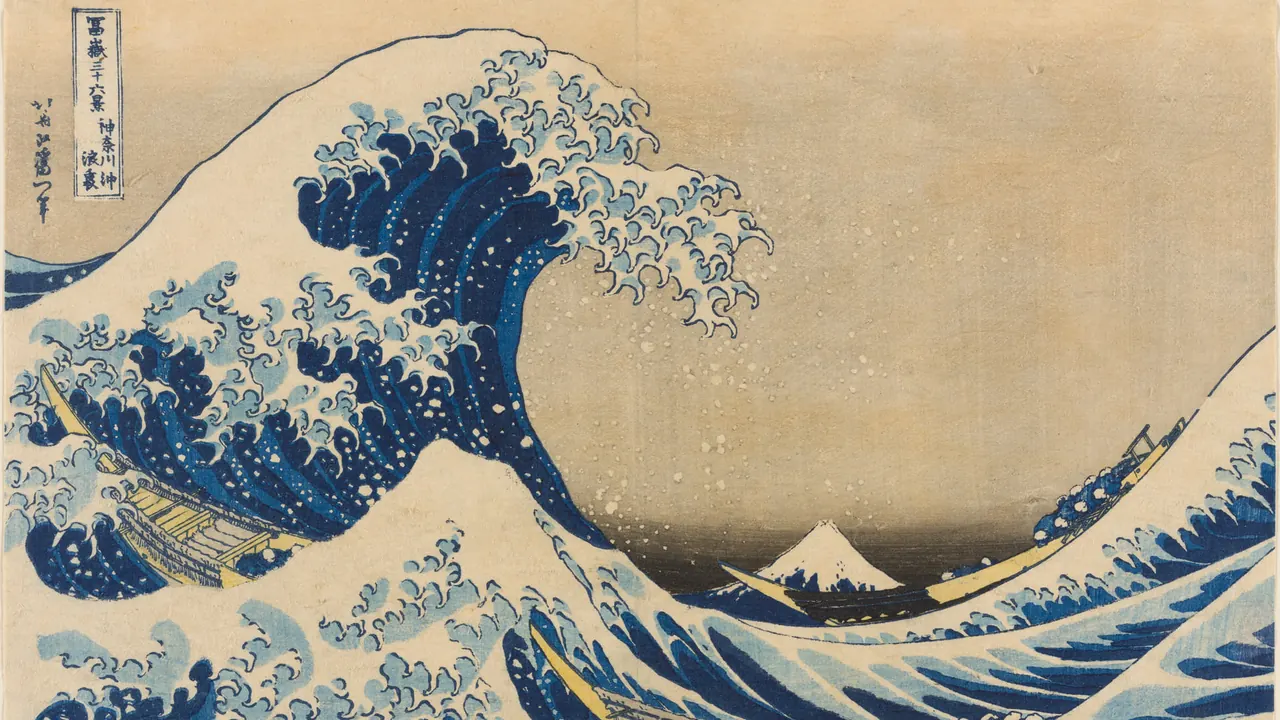
Woodblock prints of the floating world: actors, courtesans, and the travel views that rewired European painting.
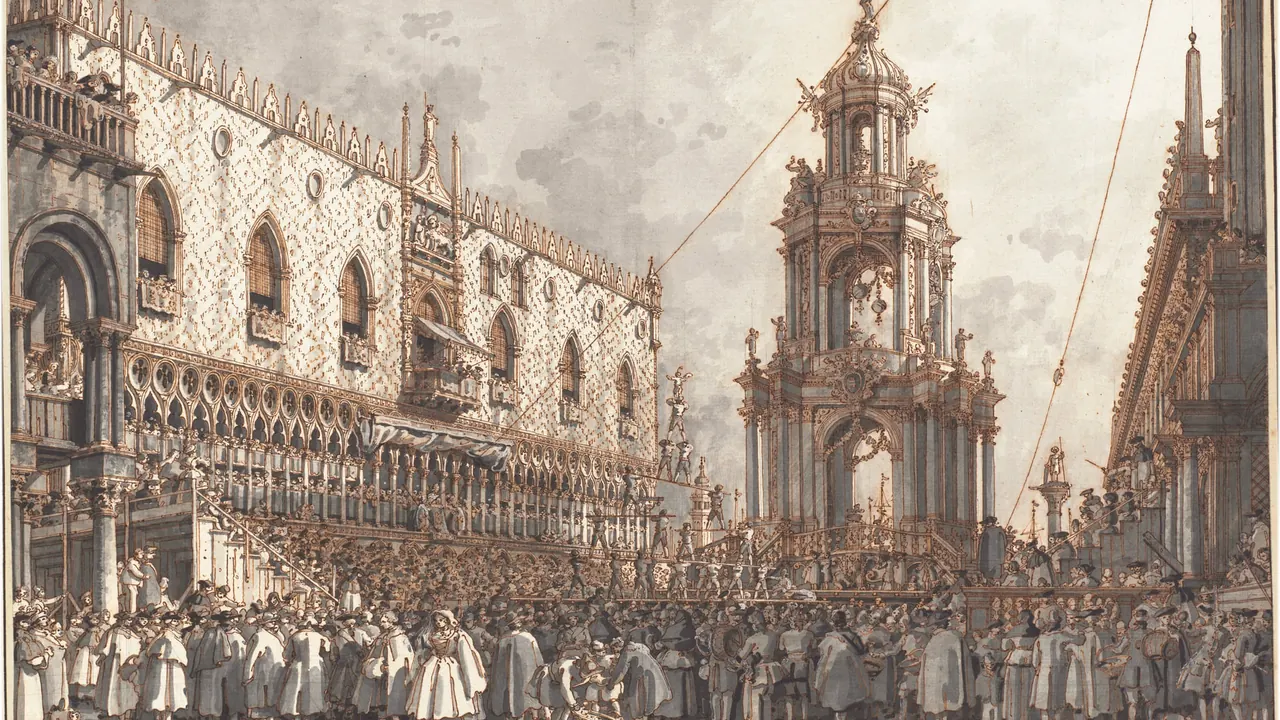
Chalk, ink, and wash: the working thought behind the finished picture, and often the better half of it.
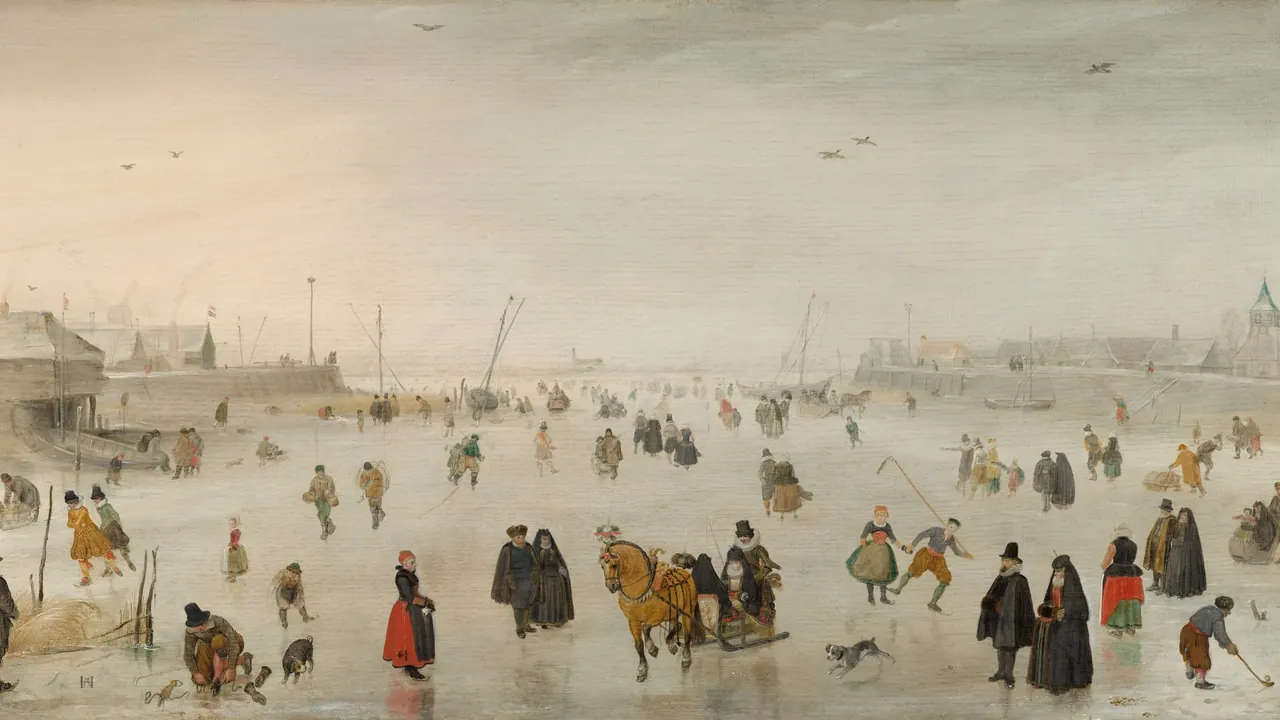
Theatre in paint: a hard raking light, deep shadow, and figures caught at the loudest moment of the story.
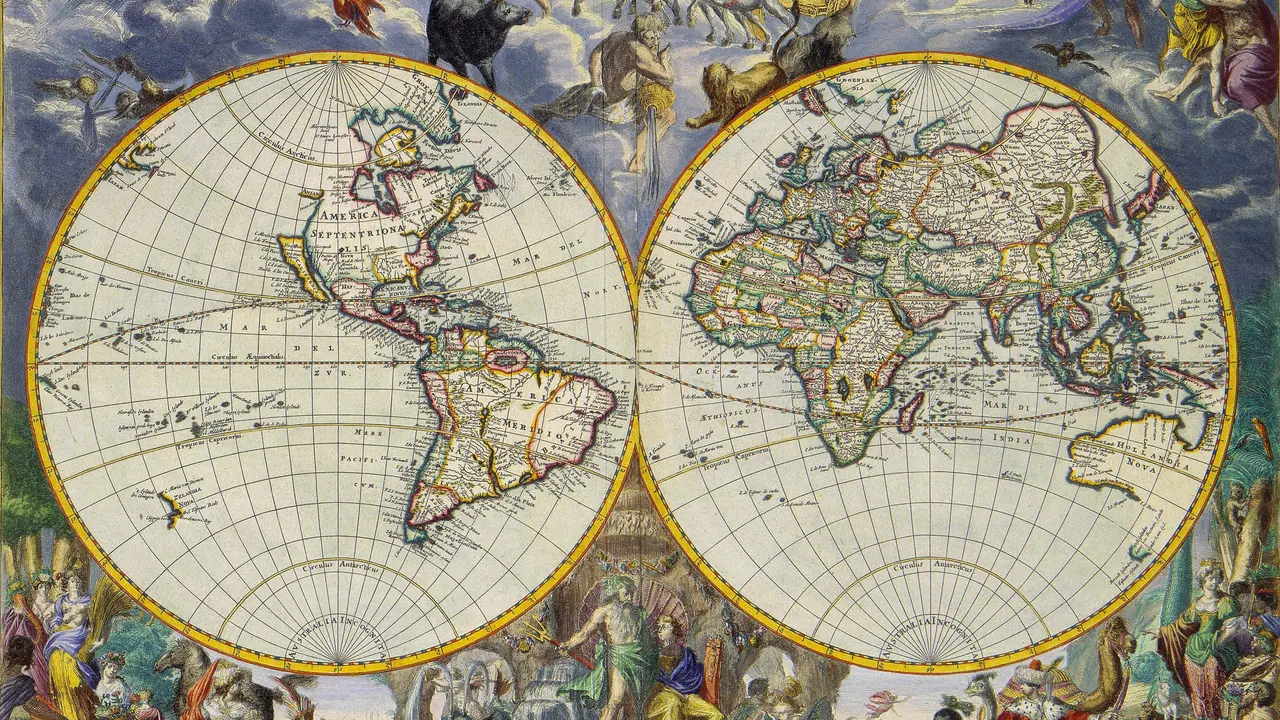
The world and the heavens as engravers pictured them: celestial atlases, constellation figures, and maps drawn long before anyone saw either from above.
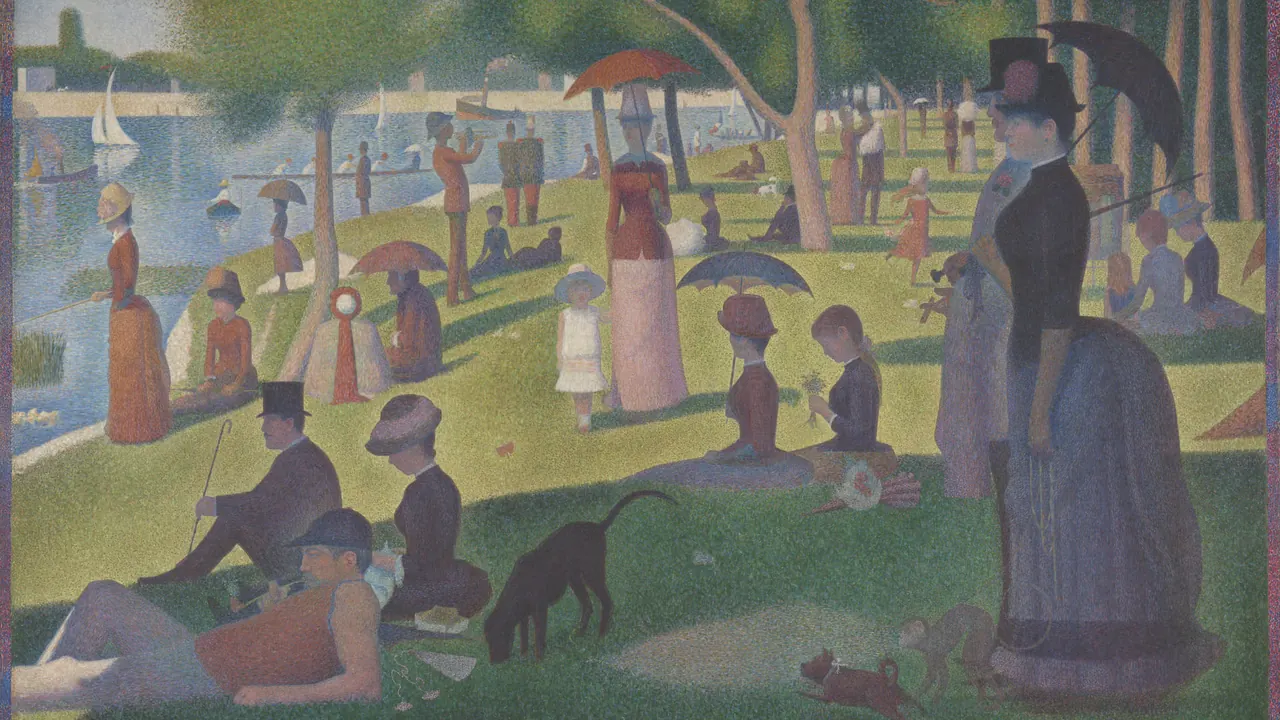
Impressionism's colour kept, its modesty discarded: structure, symbol, and feeling pushed to the front.
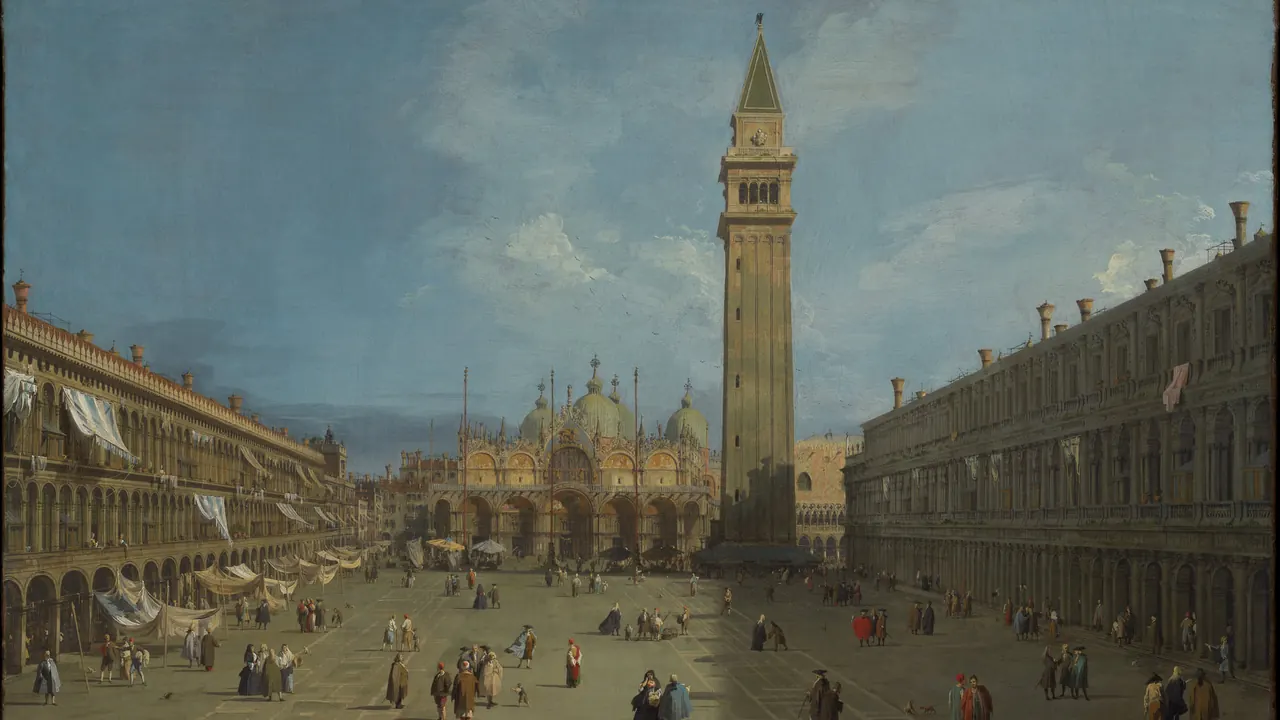
The Baroque unbuttoned: pastel, asymmetry, and aristocratic leisure painted with a very light touch.
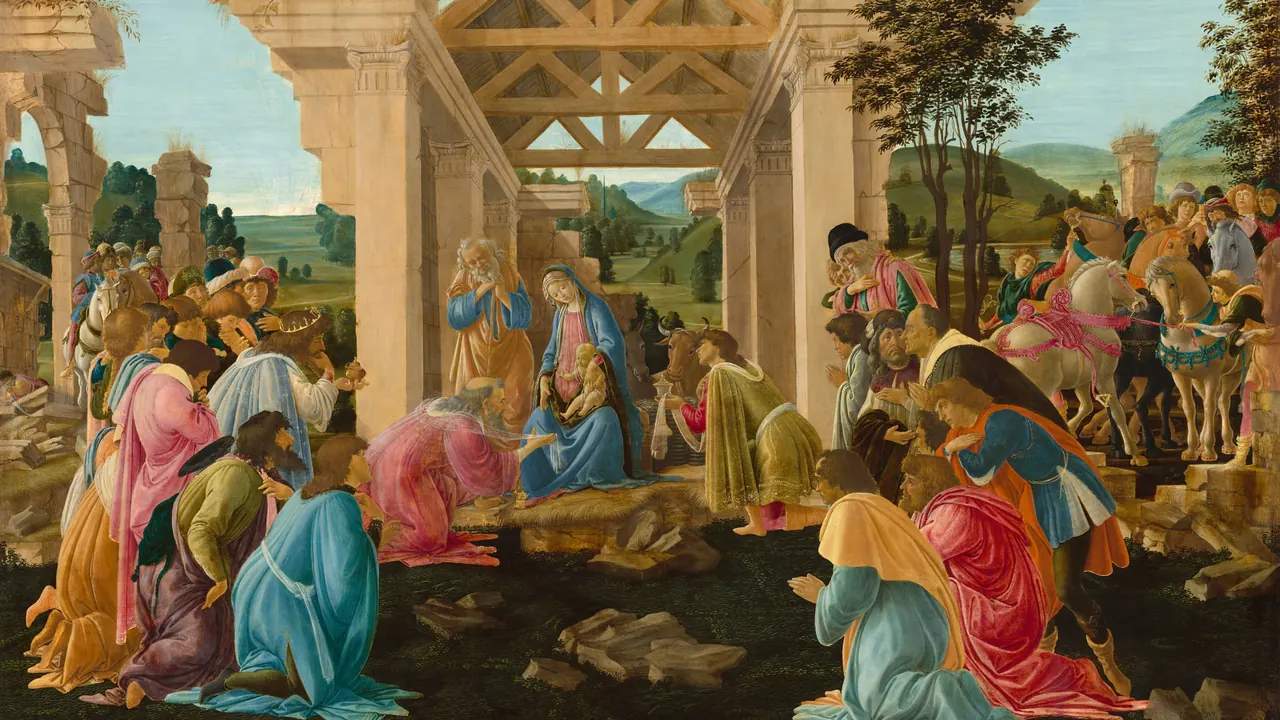
Linear perspective, anatomy, and antiquity rediscovered. Painting stops being a surface and starts being a window.
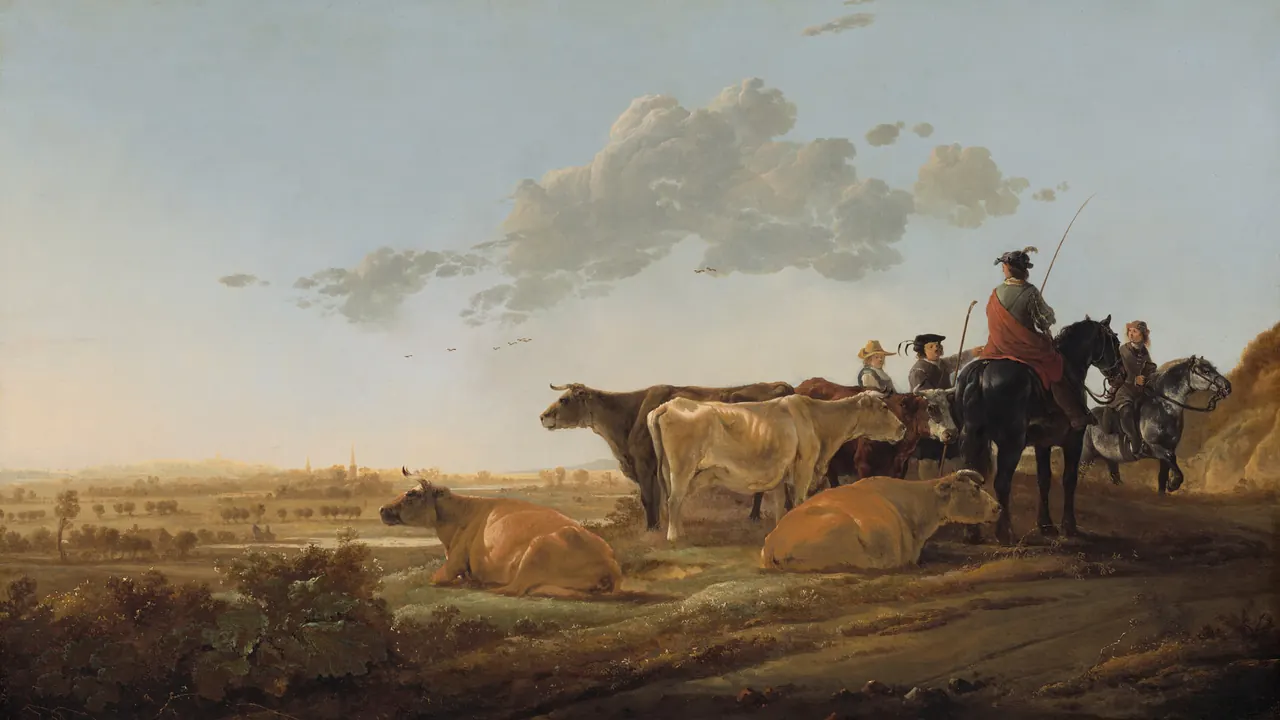
A republic of merchants painting its own weather: flat horizons, windmills, sea, and rooms full of quiet business.
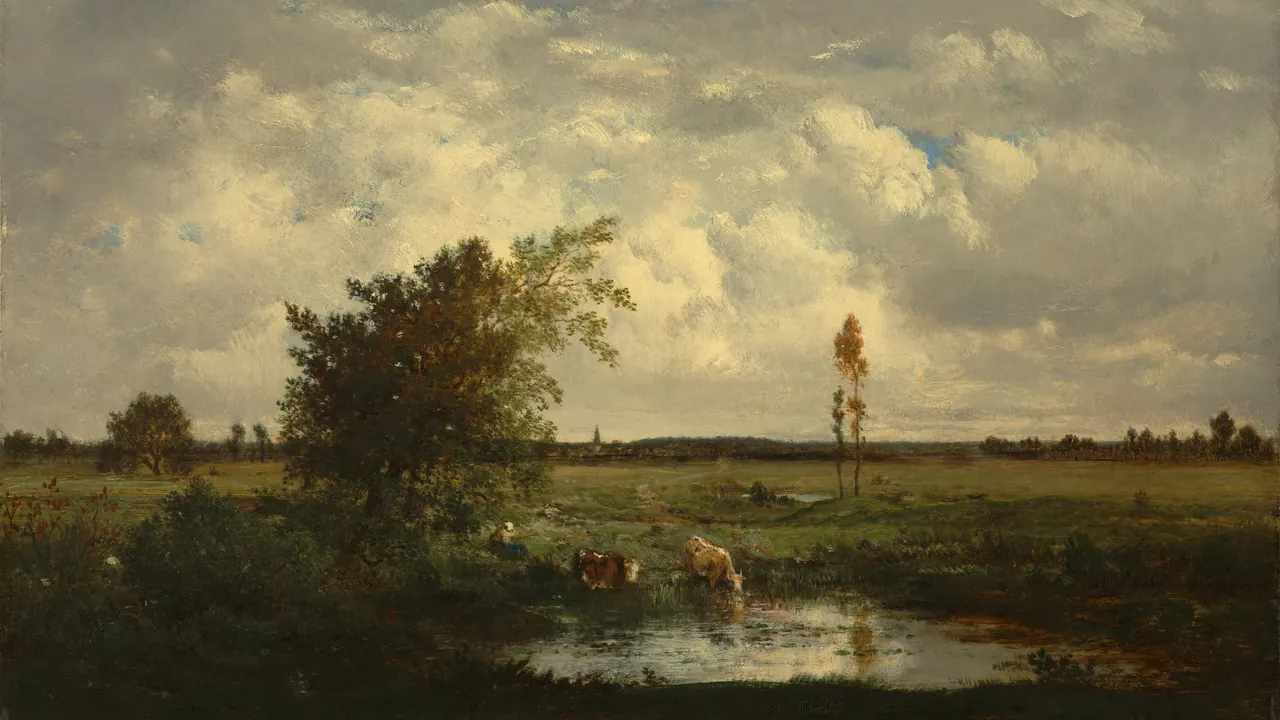
Painters who left the studio for the forest at Fontainebleau and made ordinary countryside the whole subject.
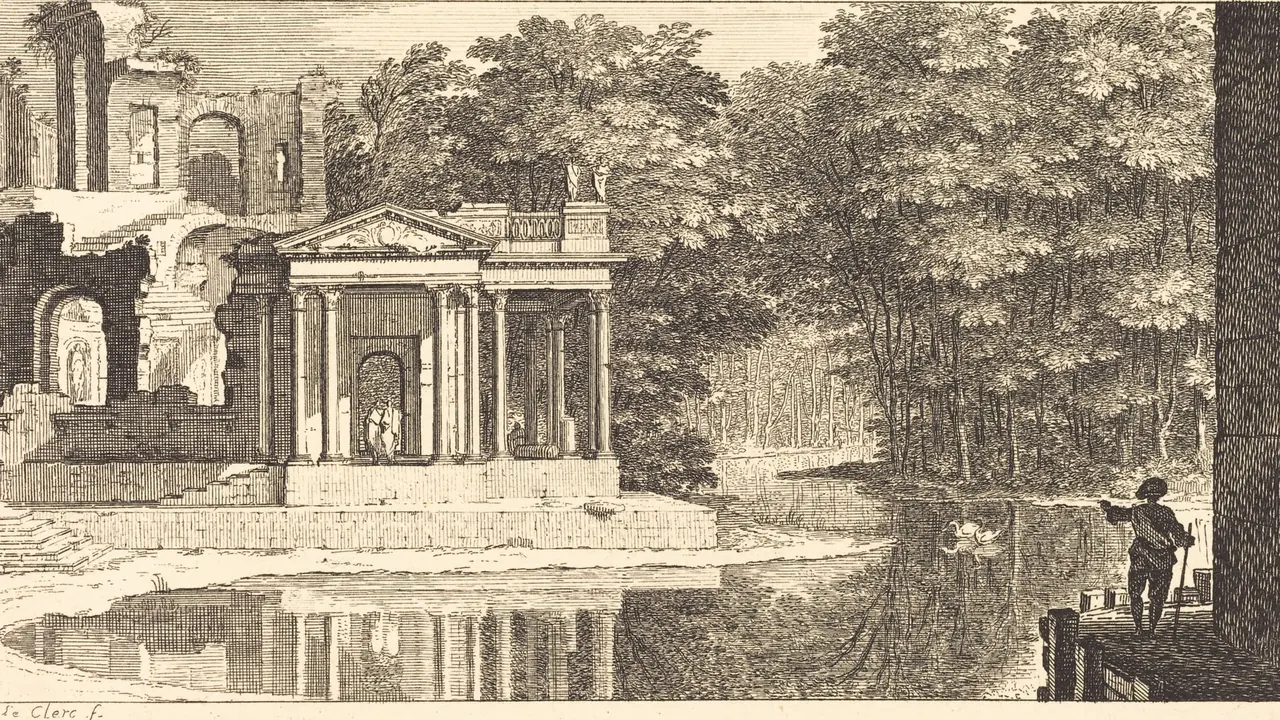
Engraving and etching from Dürer to Rembrandt: the first art most people ever owned, and the first that travelled.
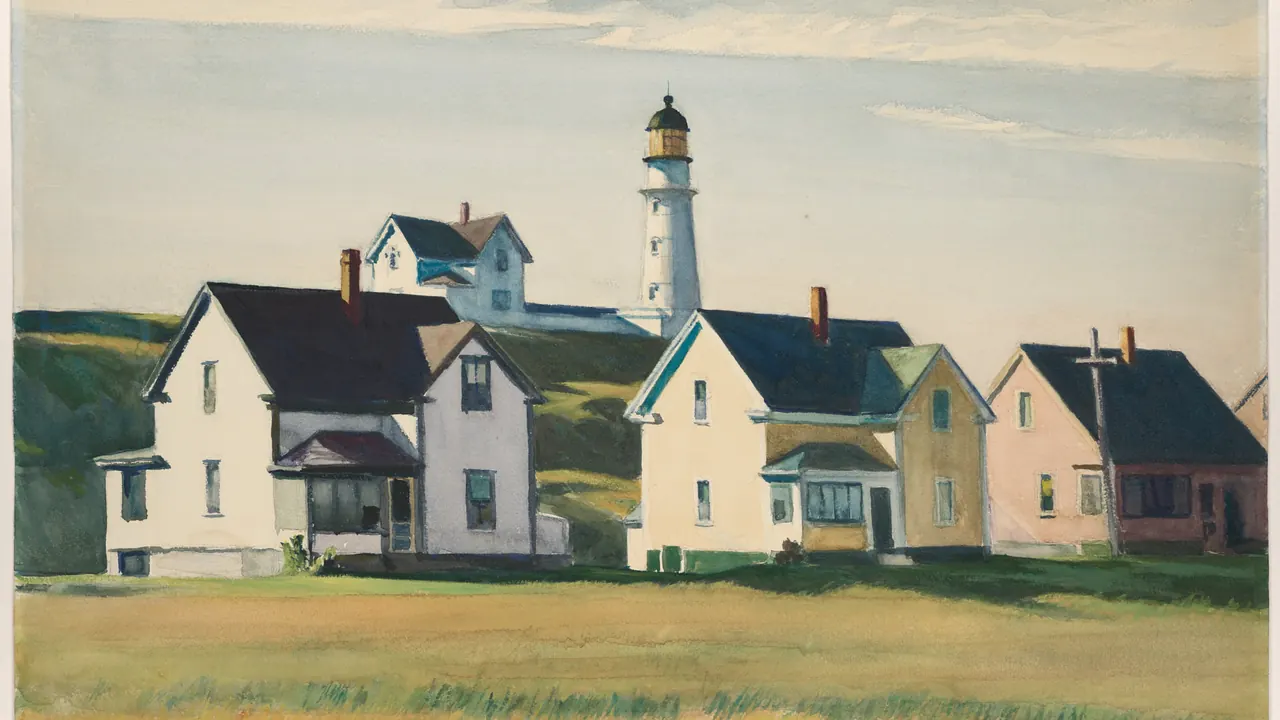
Flattened space and simplified form as the twentieth century starts pulling the picture apart.